Book Your Driving Lessons
Request A Call Back
Contact Our Female Instructor
Ready to Build Strong Driving Skills? Contact Us Now!
All Week
Manual Driving Lesson for Beginners
About Us
Driving Lesson for Beginners Manual
Our Driving School provides professional and supportive driving lessons designed to help learners build confidence and develop safe driving habits at a comfortable pace. Led by a fully qualified female instructor, the school offers automatic and manual lessons, intensive courses, refresher sessions, and support for nervous drivers across Blackburn, Darwen, Accrington, Preston, Luton, Burnley, and Nelson, as well as surrounding areas. Their calm and patient teaching approach makes the learning experience smooth and stress-free, helping students gain the confidence they need to succeed on the road. For bookings or enquiries, call 07392392921 or email info@femaleautomaticinstructor.co.uk.
Driving License
License to Drive, Freedom to Roam
Satisfied Students
Happy Students, Successful Journeys.
Our Popular Driving Courses
Automatic Driving Lessons
£
360
/ 10 Hours
- Excellent 1st Time Pass Rate
- Friendly Learning Environment
- DVSA Approved Instructors
- Recommended by Customers
- No Hidden Charges
Intensive Driving Lessons
£
2,140
/ 45 hOURS
- Excellent 1st Time Pass Rate
- Friendly Learning Environment
- DVSA Approved Instructors
- Recommended by Customers
- No Hidden Charges
Manual Driving Lessons
£
360
/ 10 Hours
- Excellent 1st Time Pass Rate
- Friendly Learning Environment
- DVSA Approved Instructors
- Recommended by Customers
- No Hidden Charges
Our Testimonials
CLIENT'S REVIEWS DISCOVER WHAT OUR CLIENTS SAY
Posted on Google
 lucy
lucyTrustindex verifies that the original source of the review is Google.
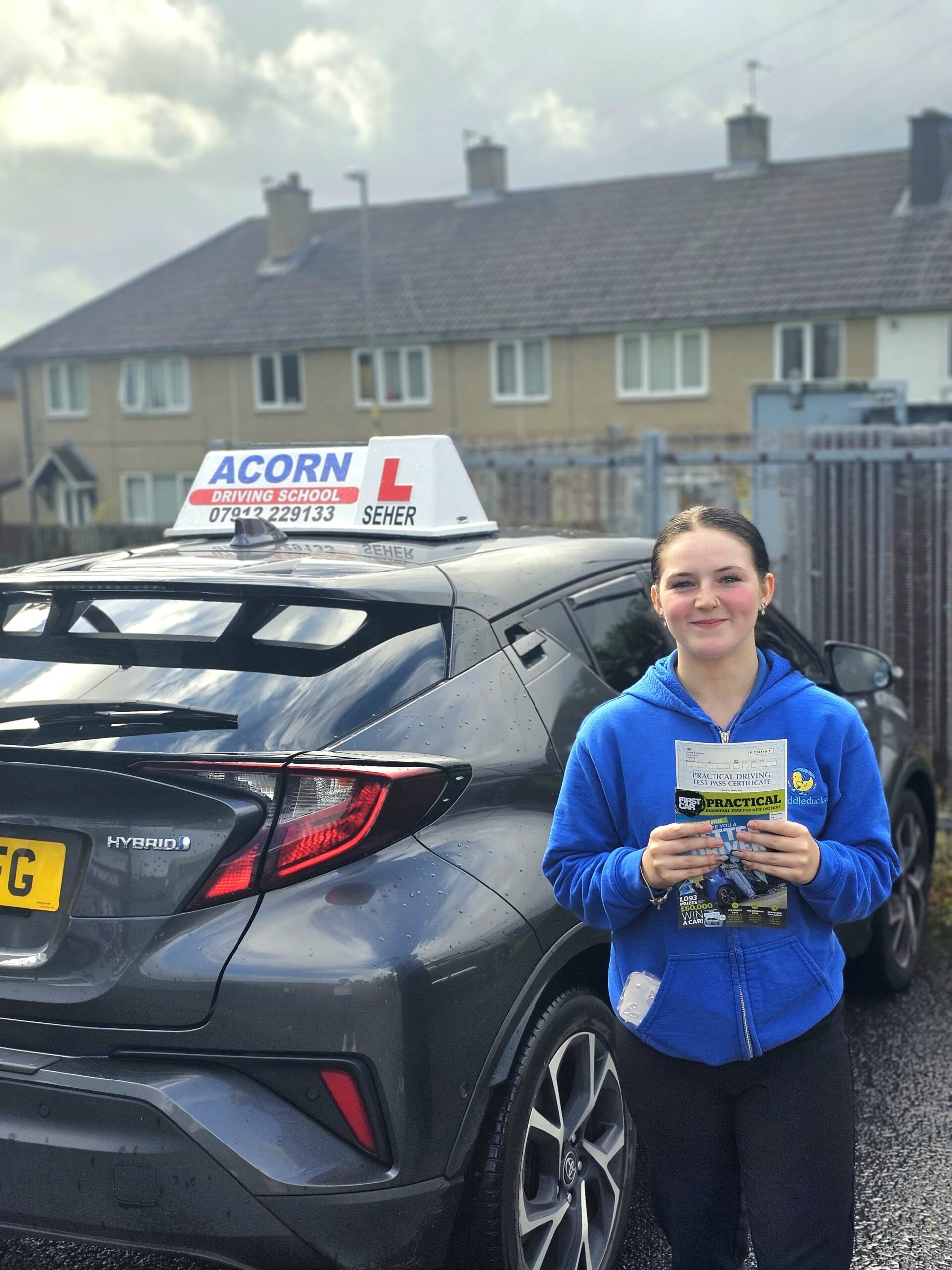
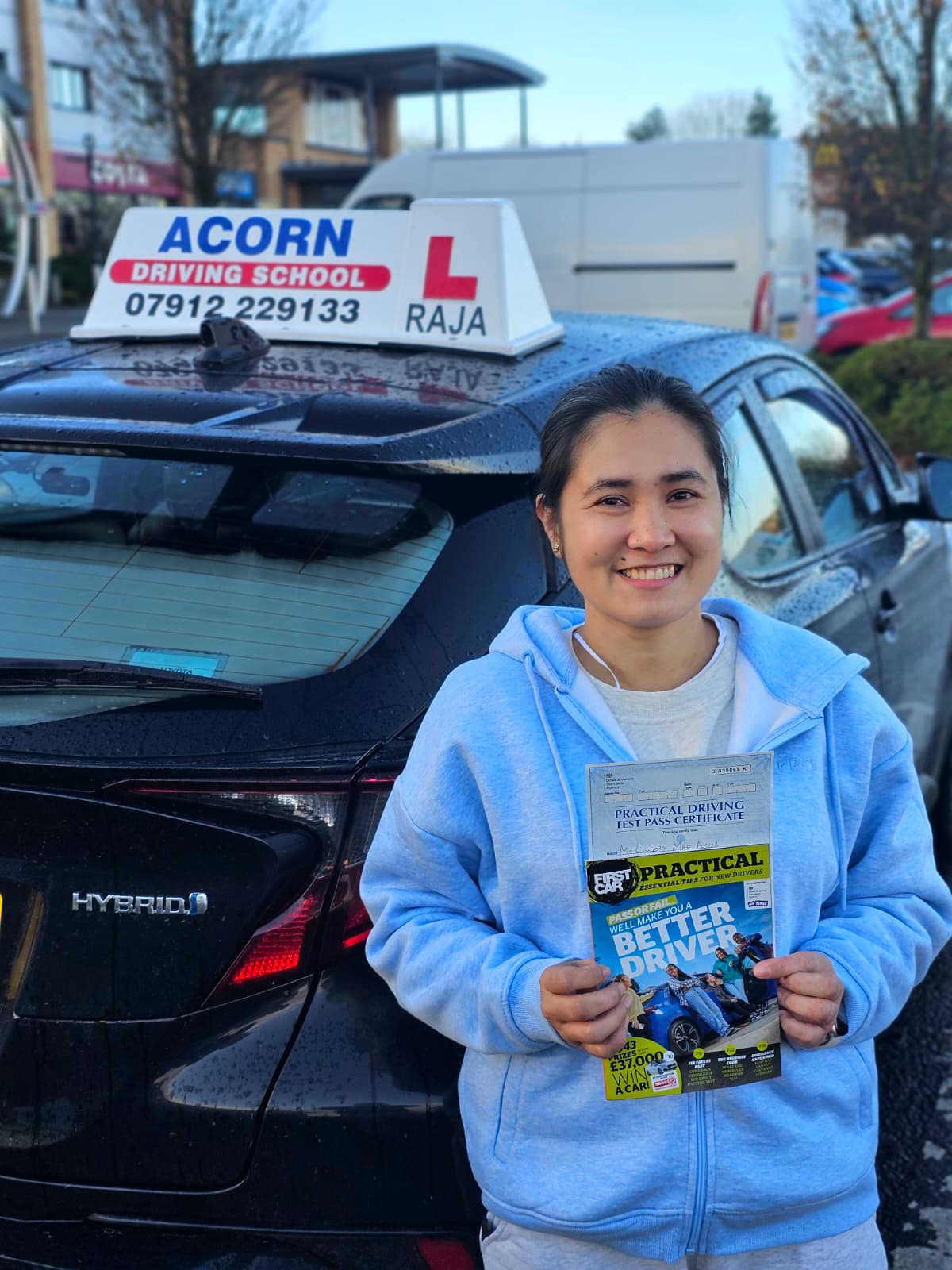
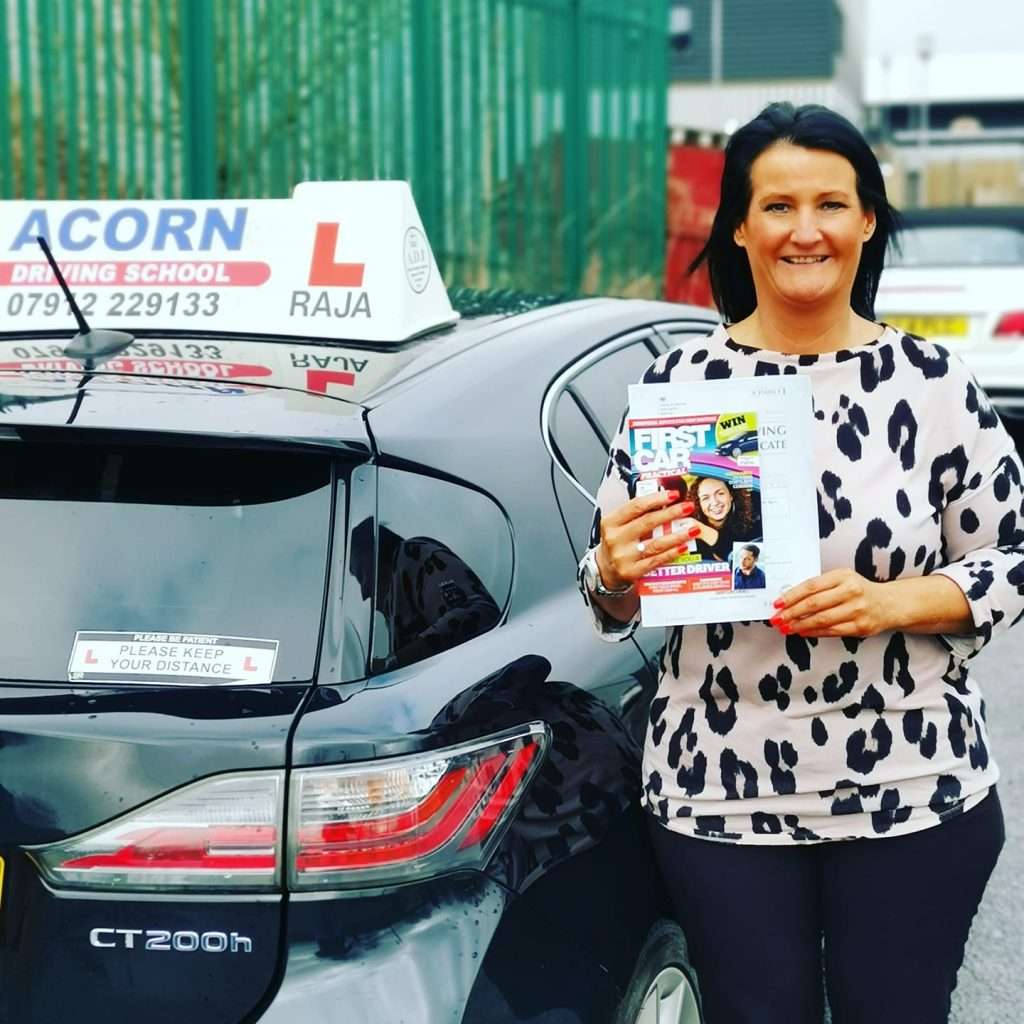
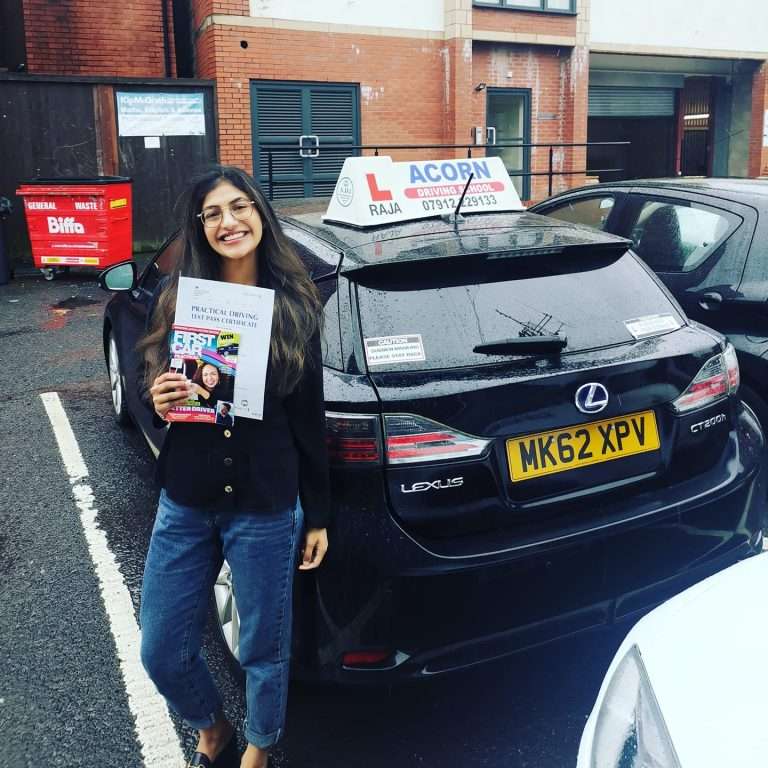
I passed an automatic test today with three minors all thanks to Seher! She’s an amazing instructor - can’t recommend her enough!! 😃Posted on Google courtney fisherSeher has done my lessons from day one and I honestly couldn’t think of a better instructor. Not only is she knowledgeable but also very kind and patient. Today I passed my driving test with 0 faults all with the help of seher.Posted on Google
 Alya HussainI can’t recommend Seher enough. She is an absolutely amazing instructor who went above and beyond to make me a confident driver. I passed first time with her with only a few minors!!Posted on Google
 S. Zehra DildarI would like to thank you Sehar for all your efforts and continued support. It was your support that made me able to pass my test. Thanks a lot for the great journey of my learning.Posted on Google
 AyshaI can't recommend Sehar highly enough. She was always supportive and made sure I was comfortable and confident when driving. I passed my driving test all thanks to her. She made sure everything was explained to me and reassured me when needed. Would definitely recommend.Posted on Google
 safia khanI passed my driving test today with Seher. It was lovely learning to drive with her. Thank you so much for your efforts☺️☺️Posted on Google
 Amy EntwistleI would like to thank Seher for all her help!!! I passed first time today with only one driving fault! I would have not been able to it without you!!! Thankyou so much! 10000% recommend to anyone wanting to learn.Posted on Google
 Heena AliI passed my driving test in automatic with only 2 minor faults today and my overall journey with my instructor has been great. Seher was patient and supportive during my driving lessons. All credit goes to Seher and I highly recommend her.Posted on Google
 Lexi LouSeher was brilliant! Very understanding and was a brilliant mentor as she helped me pass 1st time with only 5 driving faults in an automatic. She couldn’t do enough for me and helped me so much with overcoming my fears of learning to drive! Highly recommendPosted on Google
 Darcy MercerI passed my test today with only 5 driving faults in automatic. I can’t thank Seher enough for all her time and effort into helping me pass my test, i couldn’t have done it without her help!
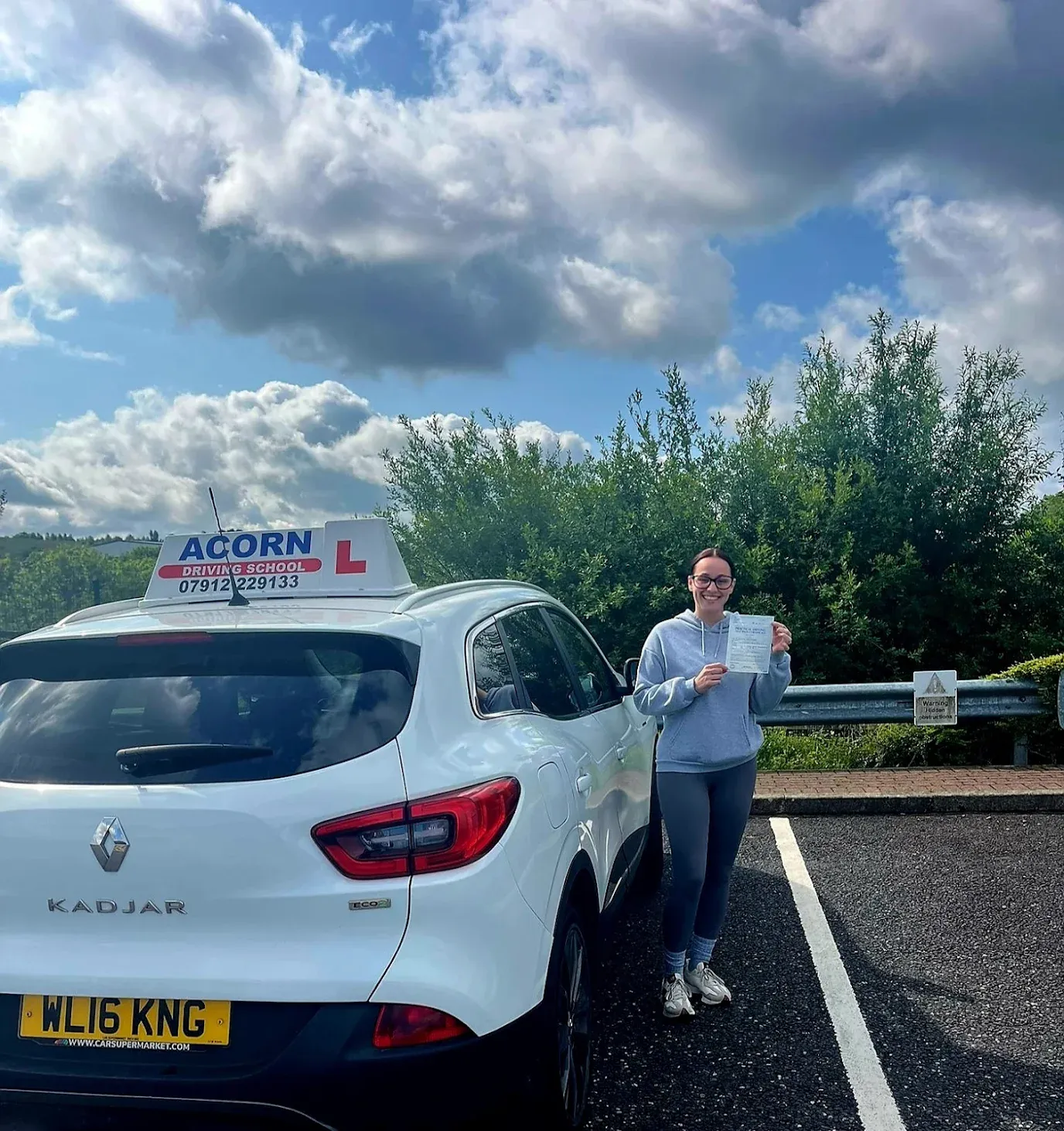
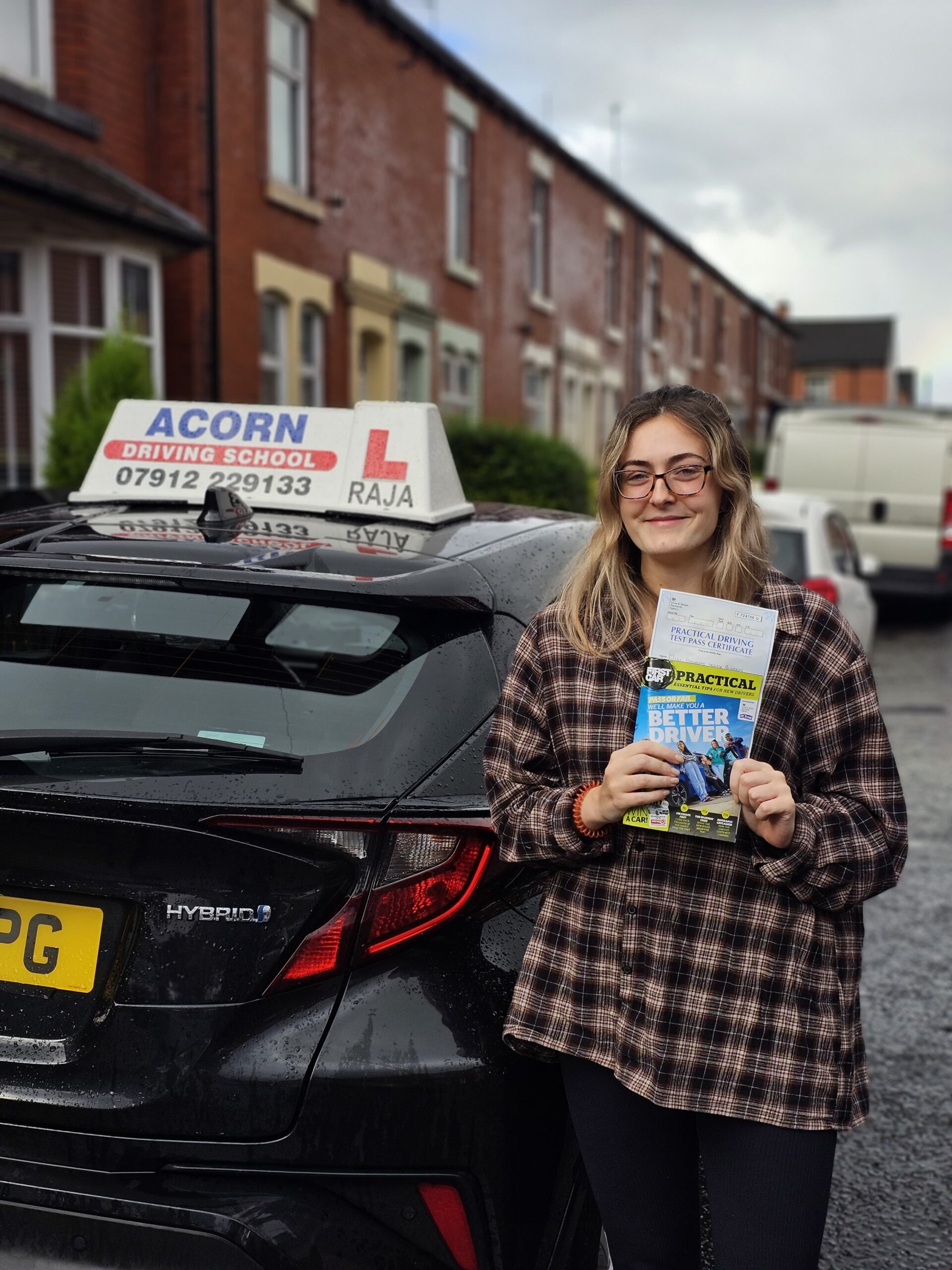
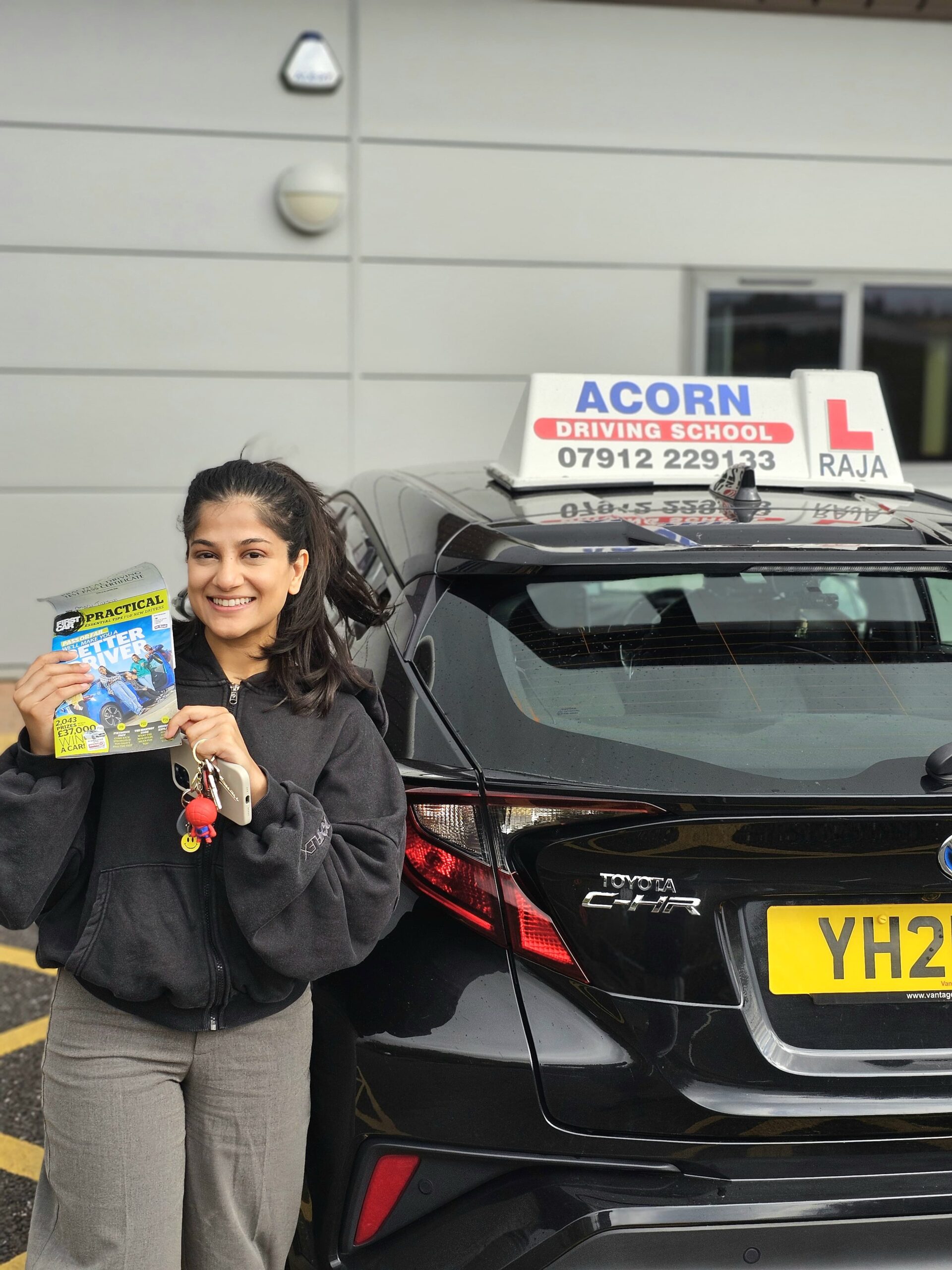
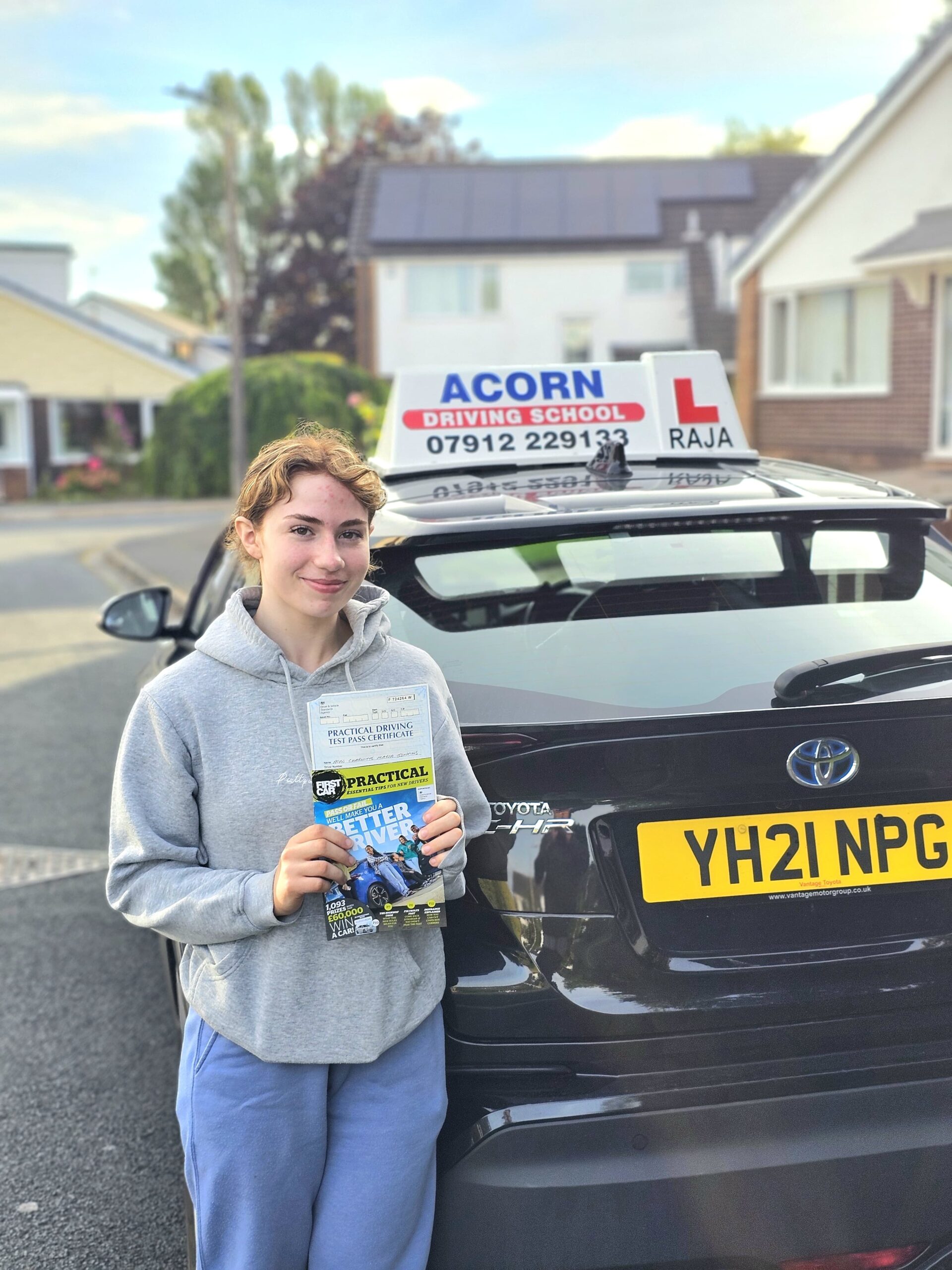
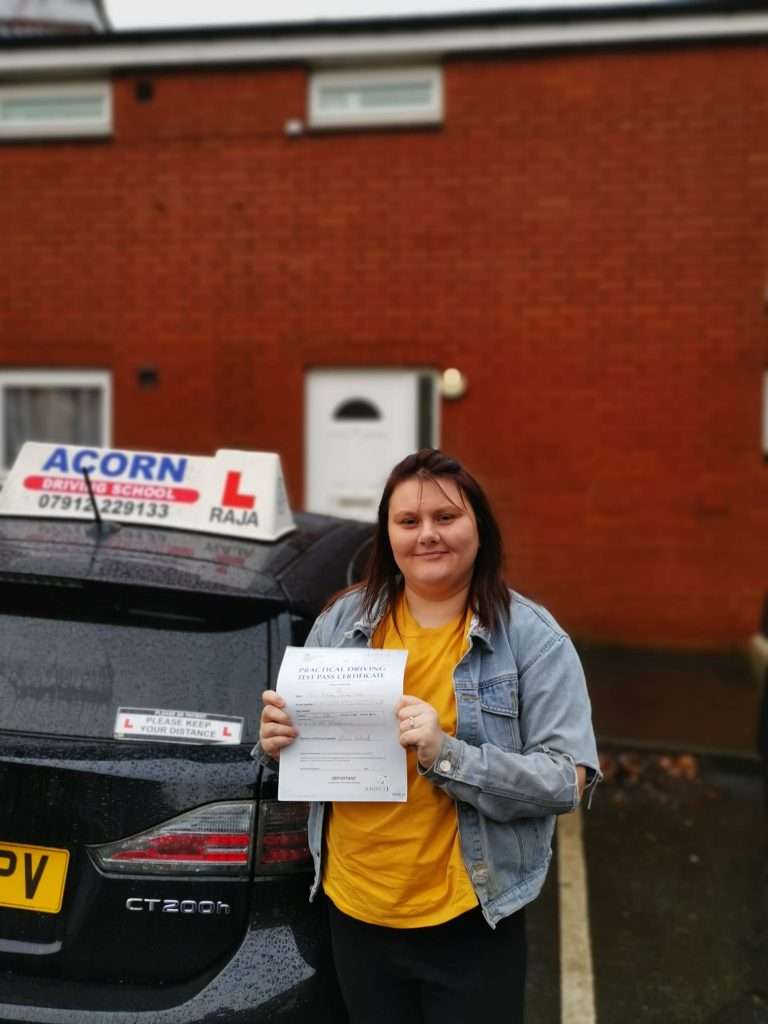
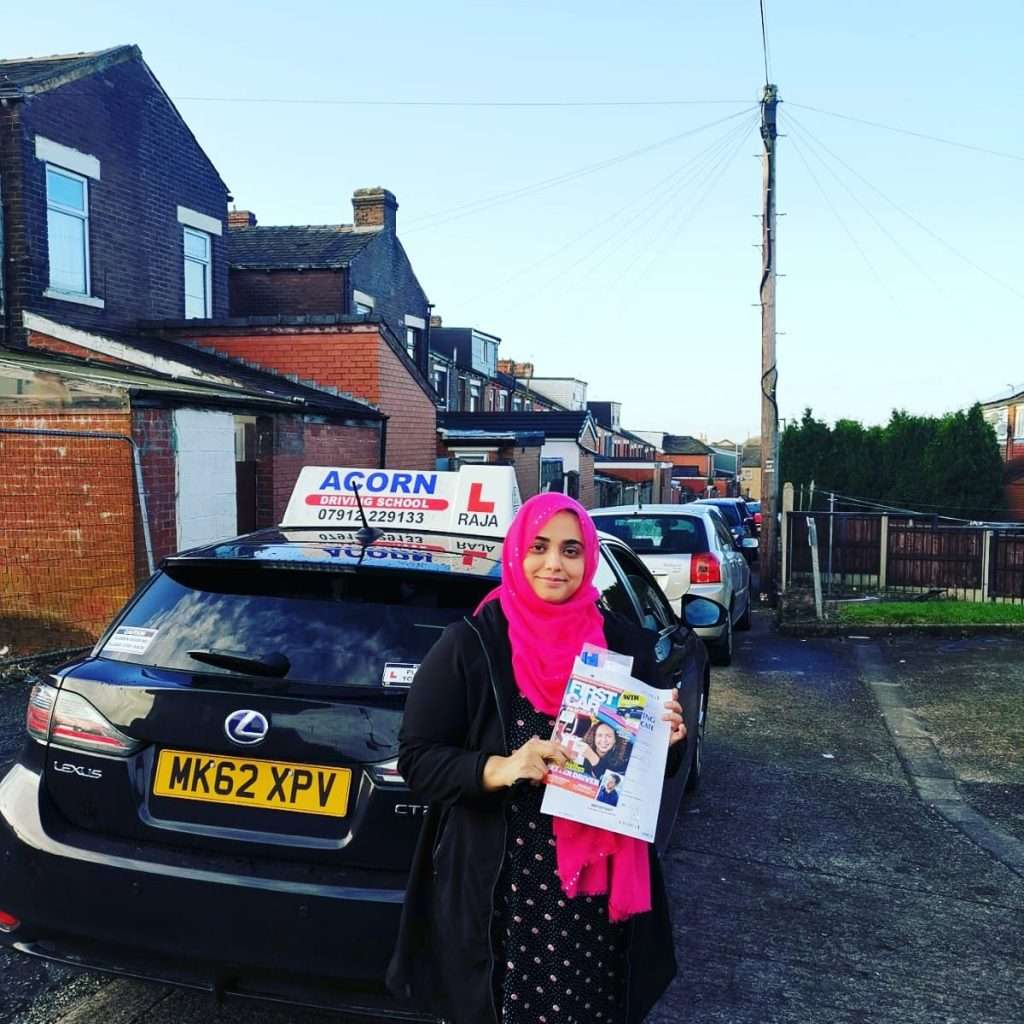
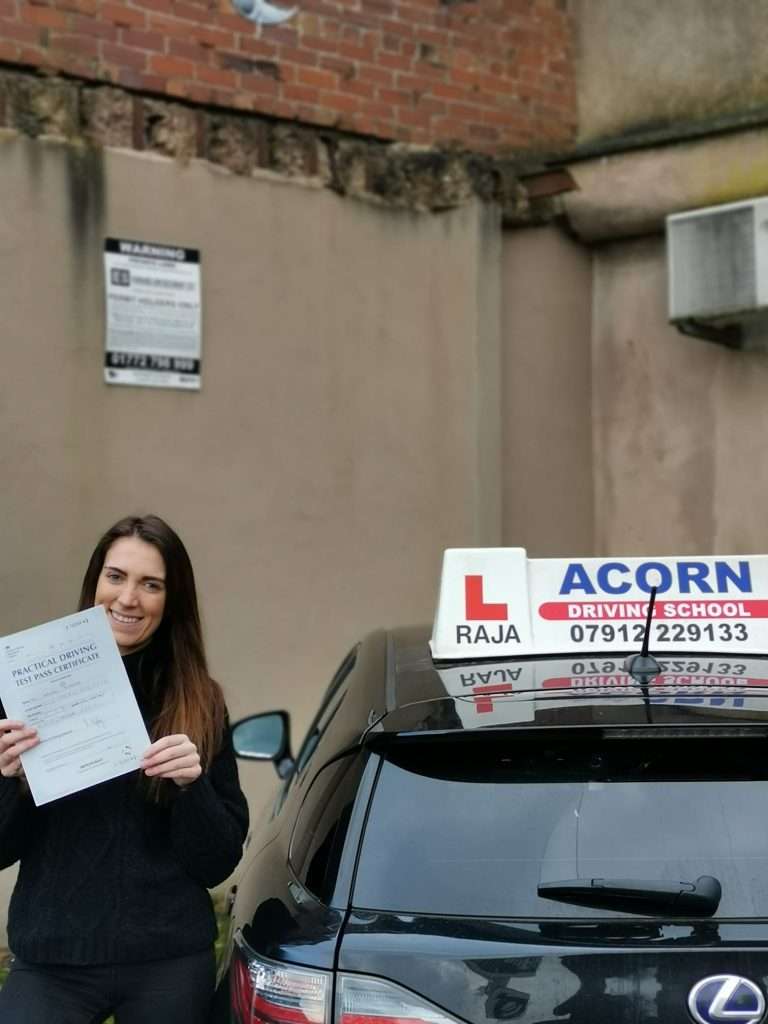
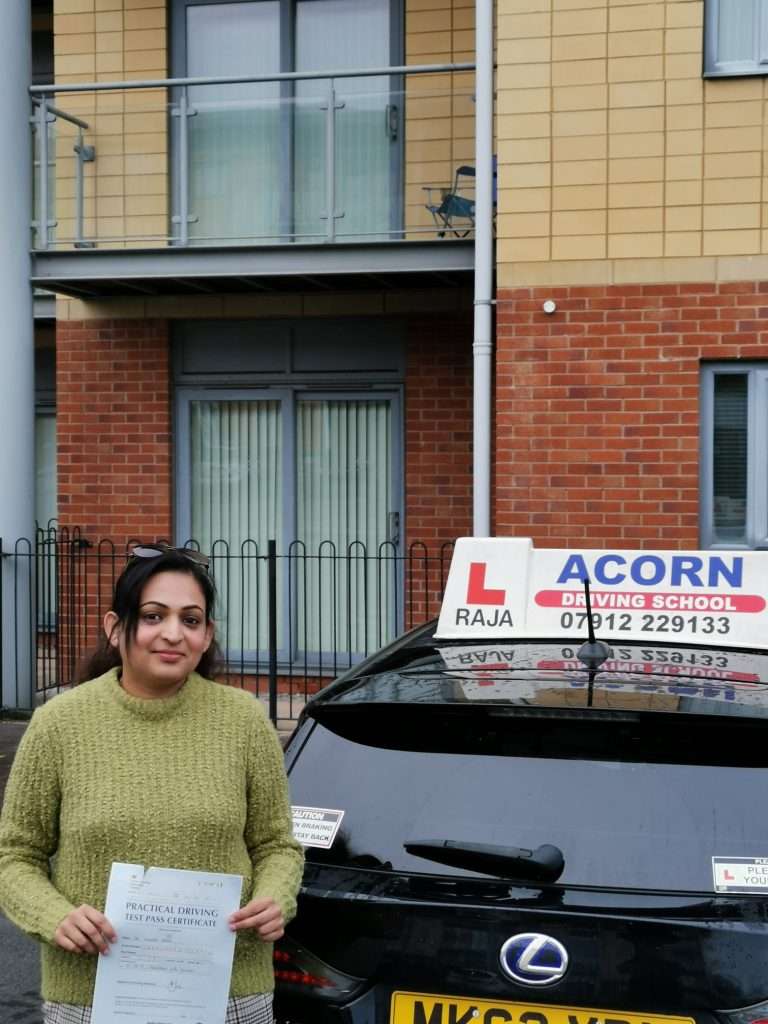
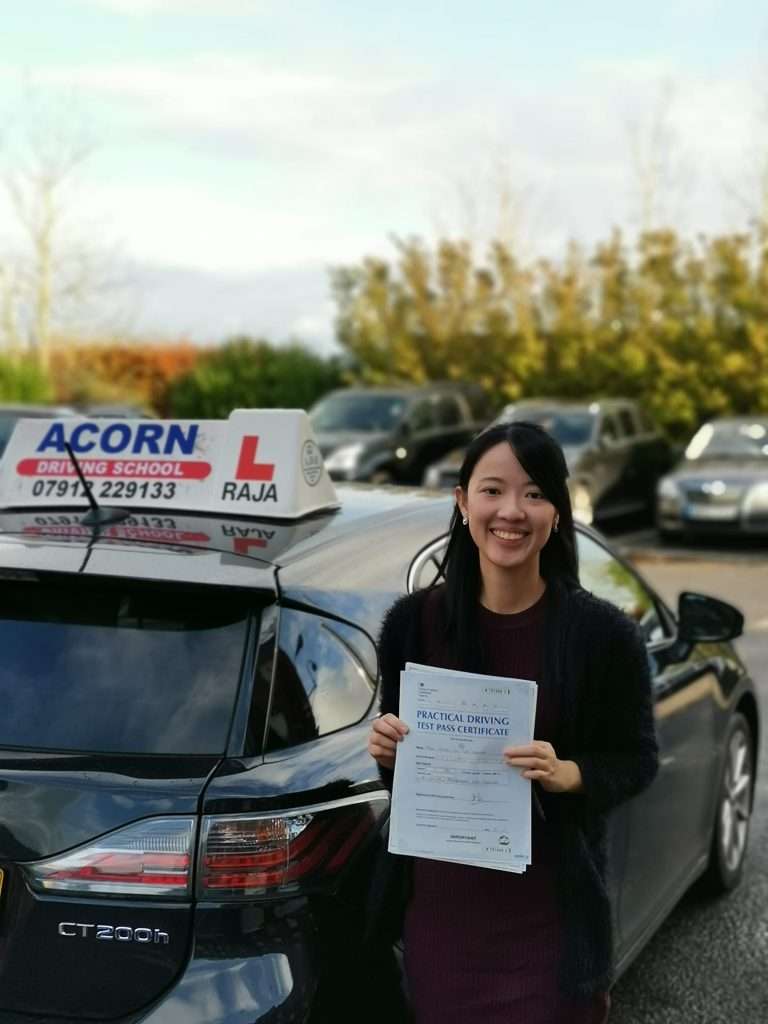
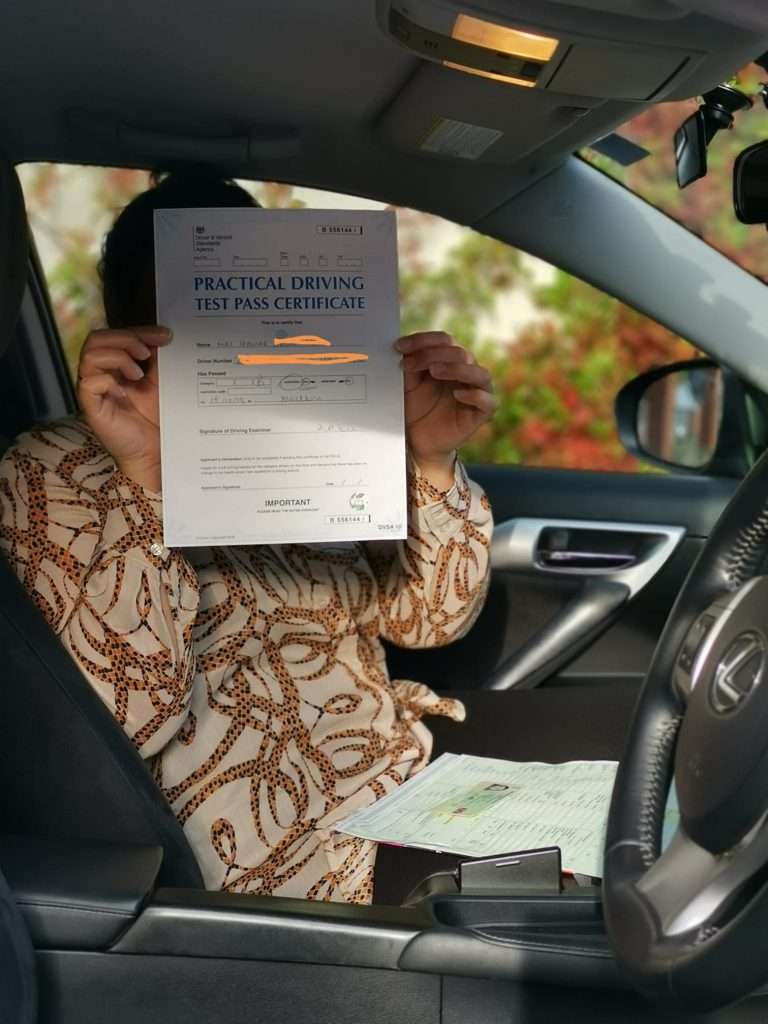
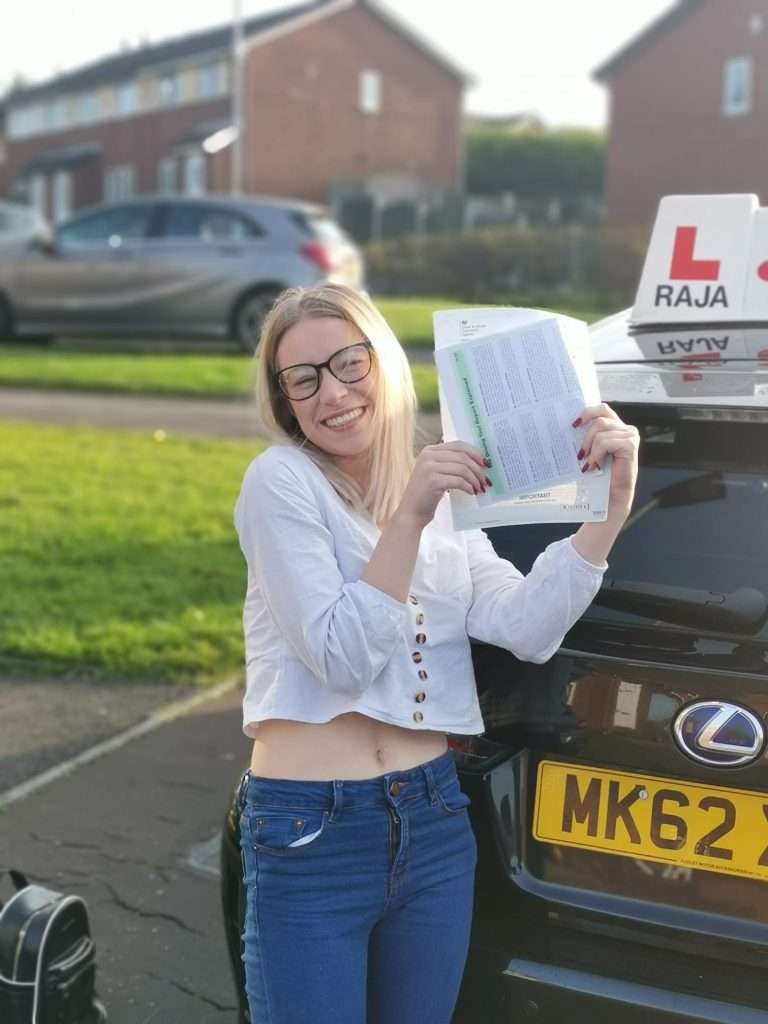
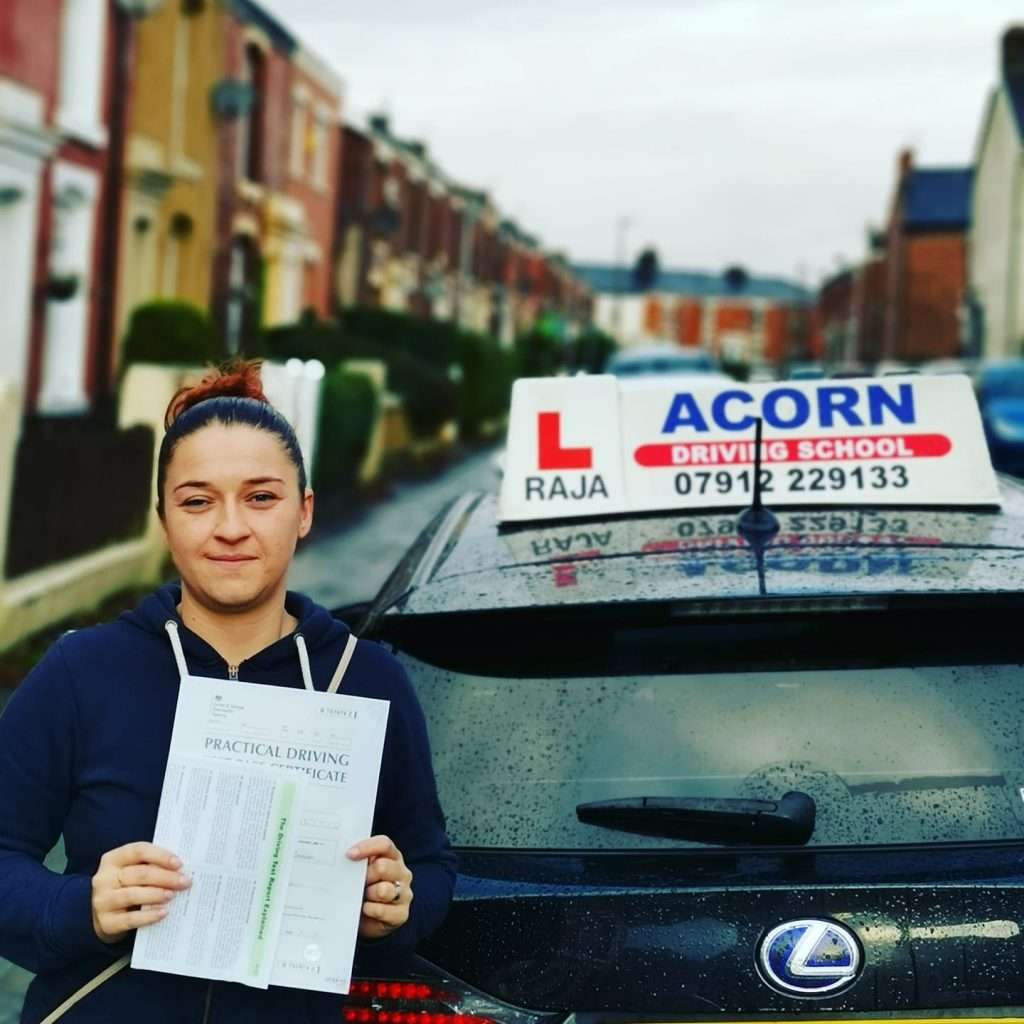
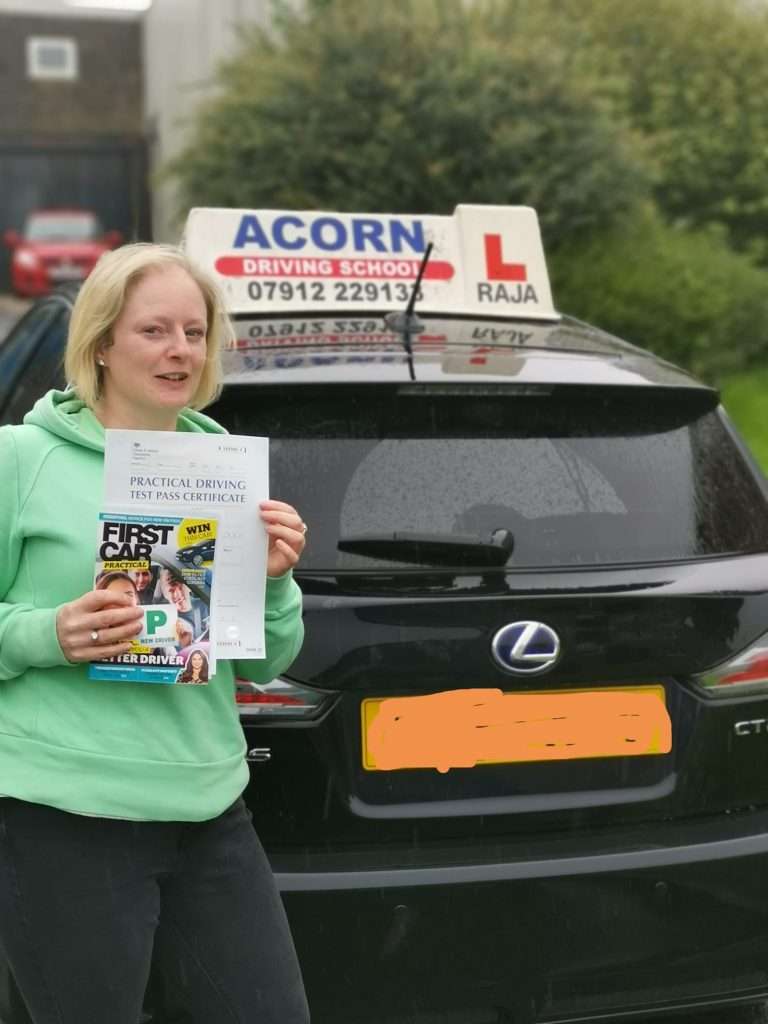
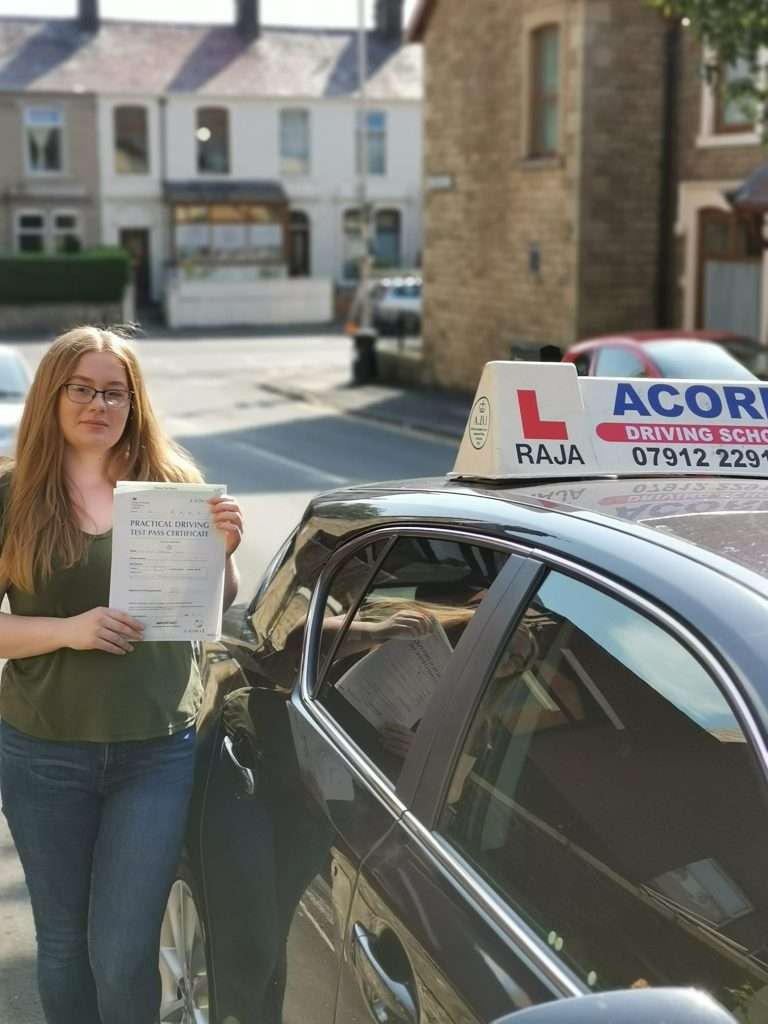
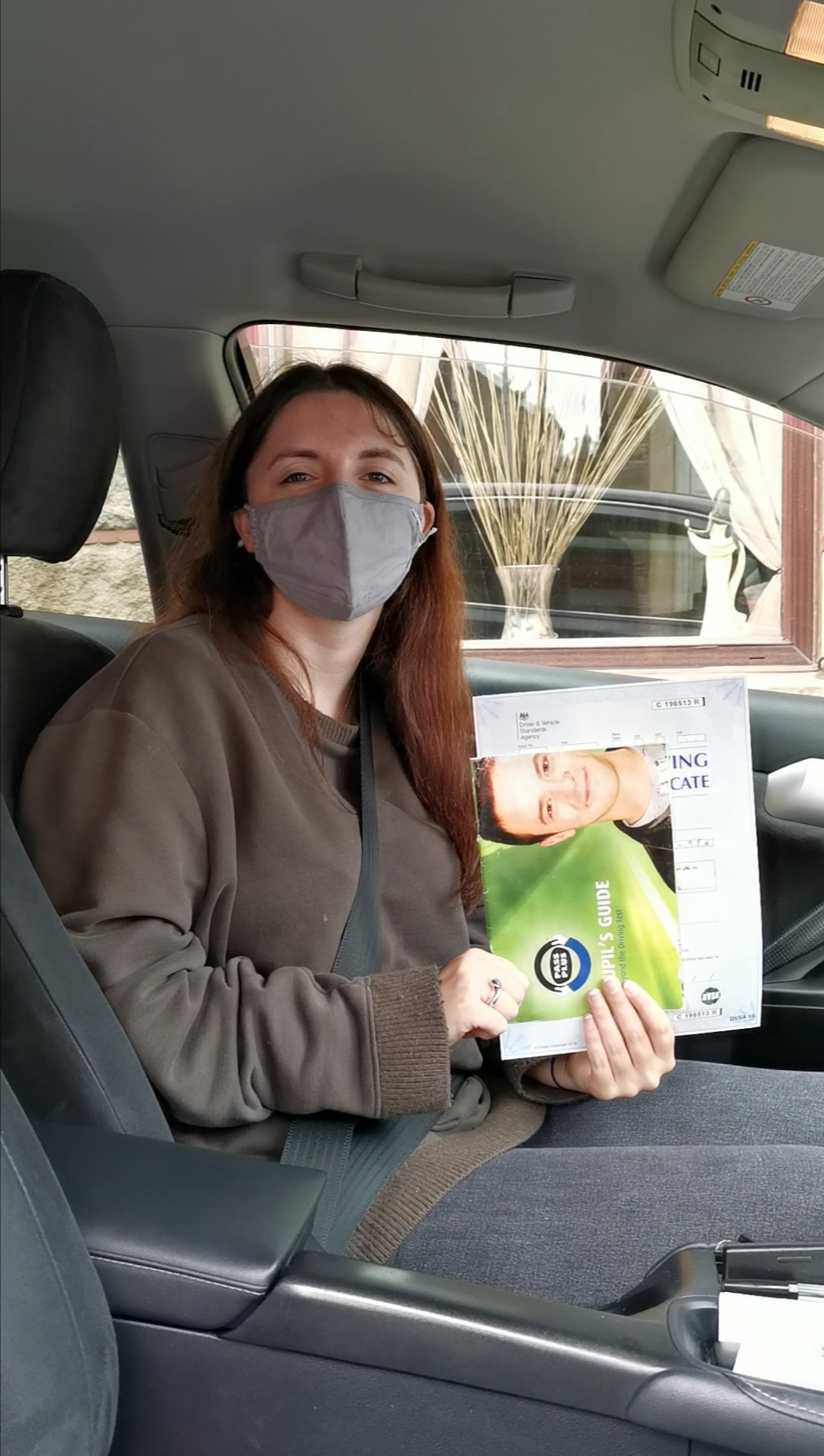
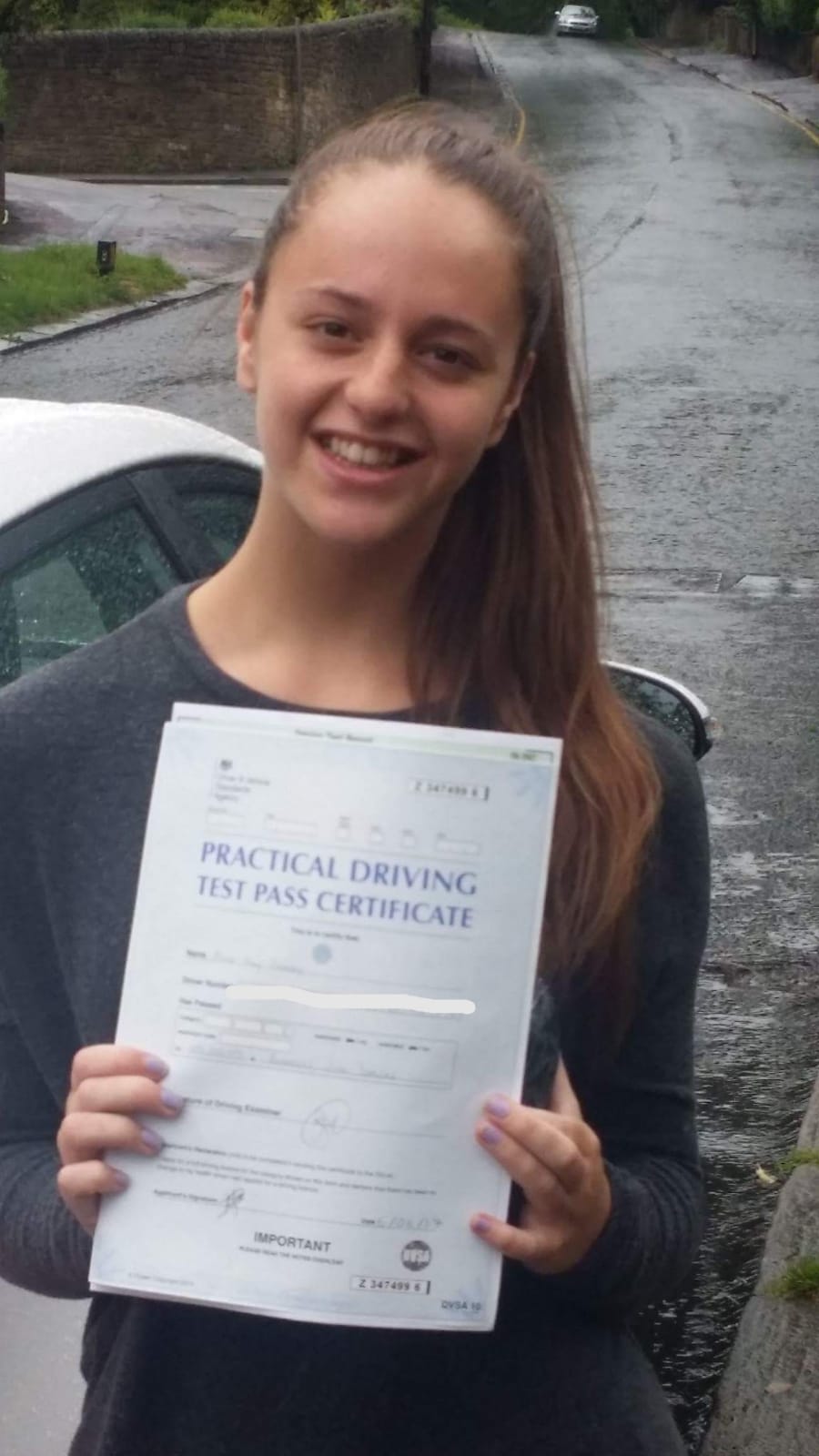
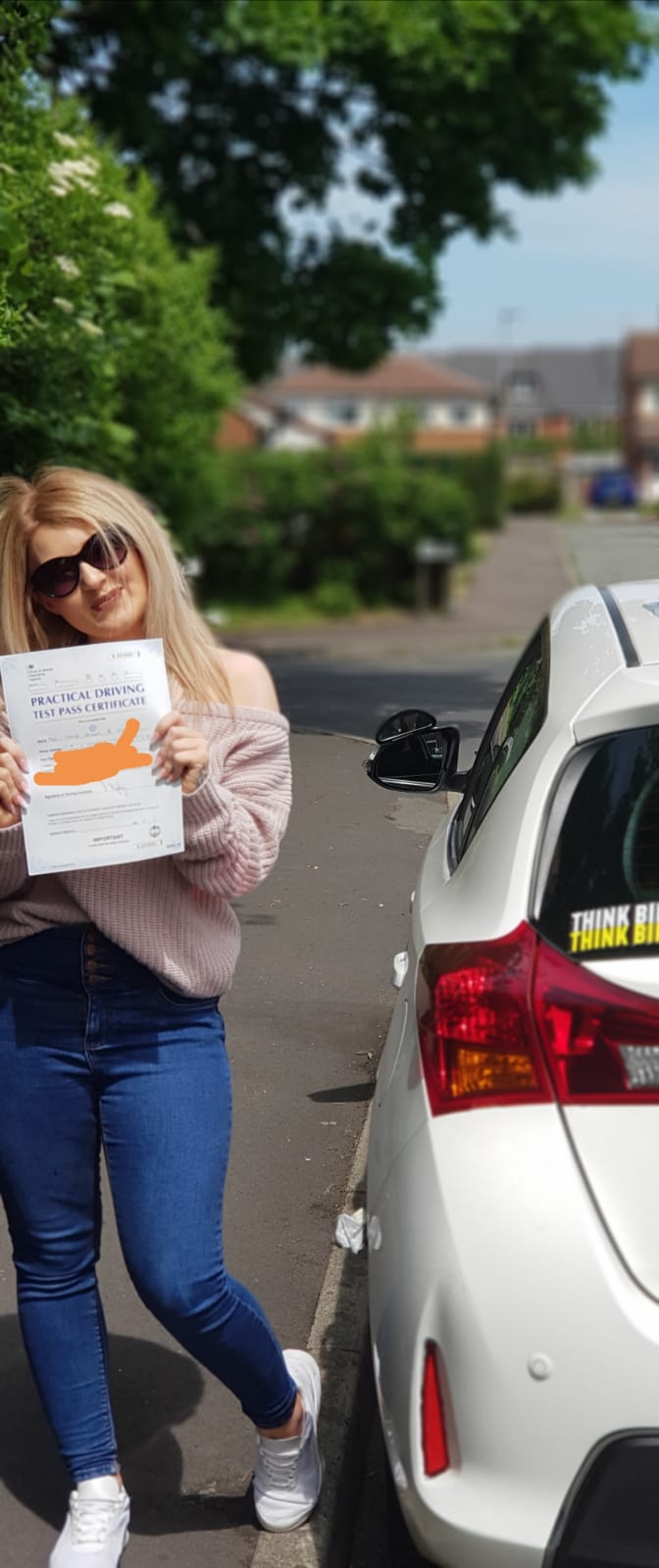
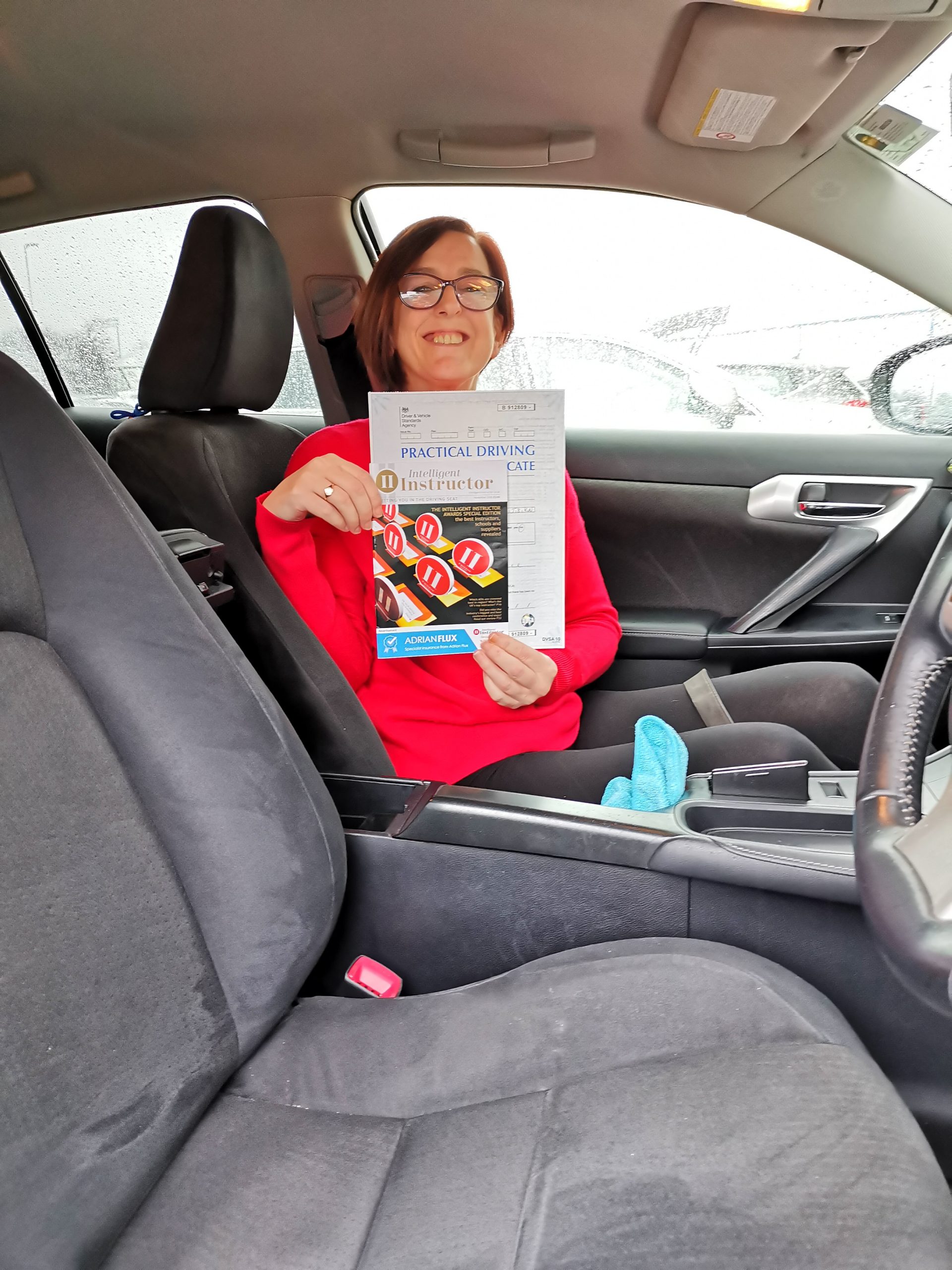
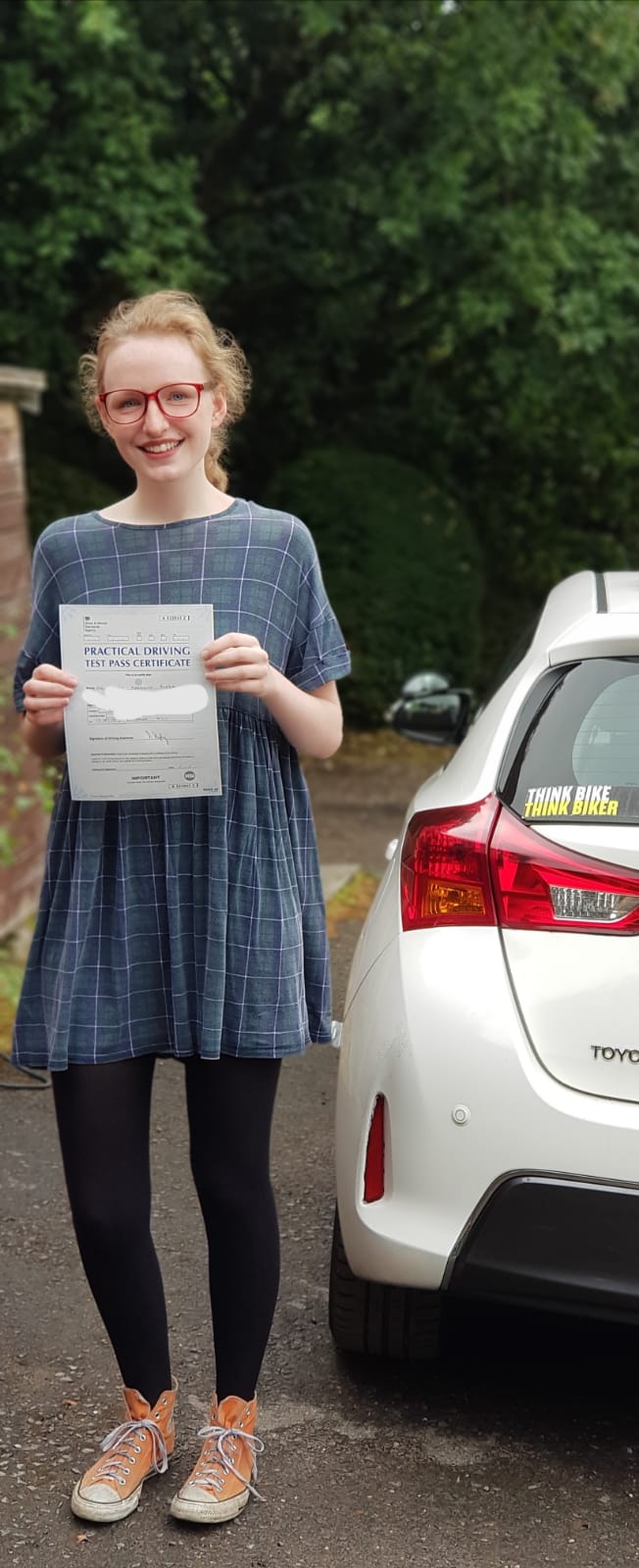
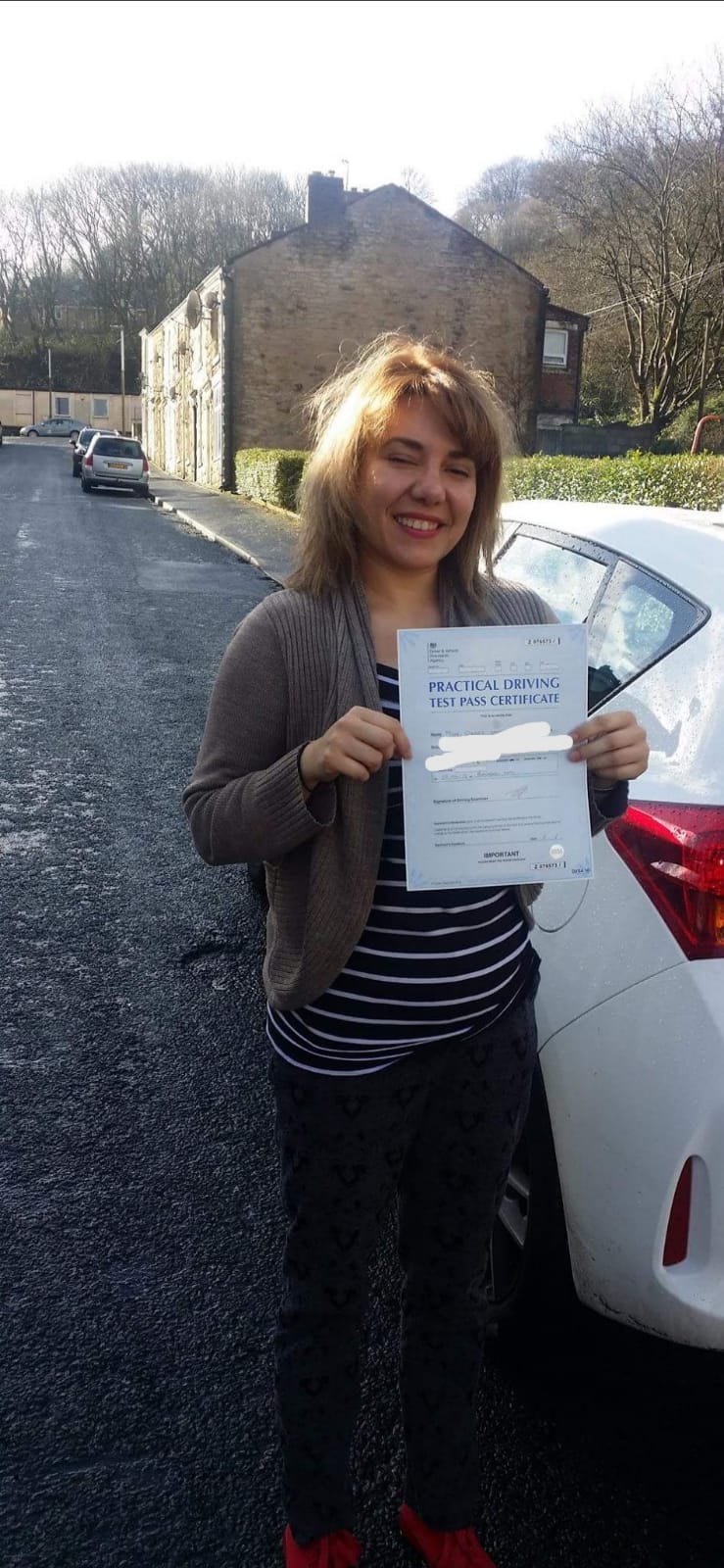
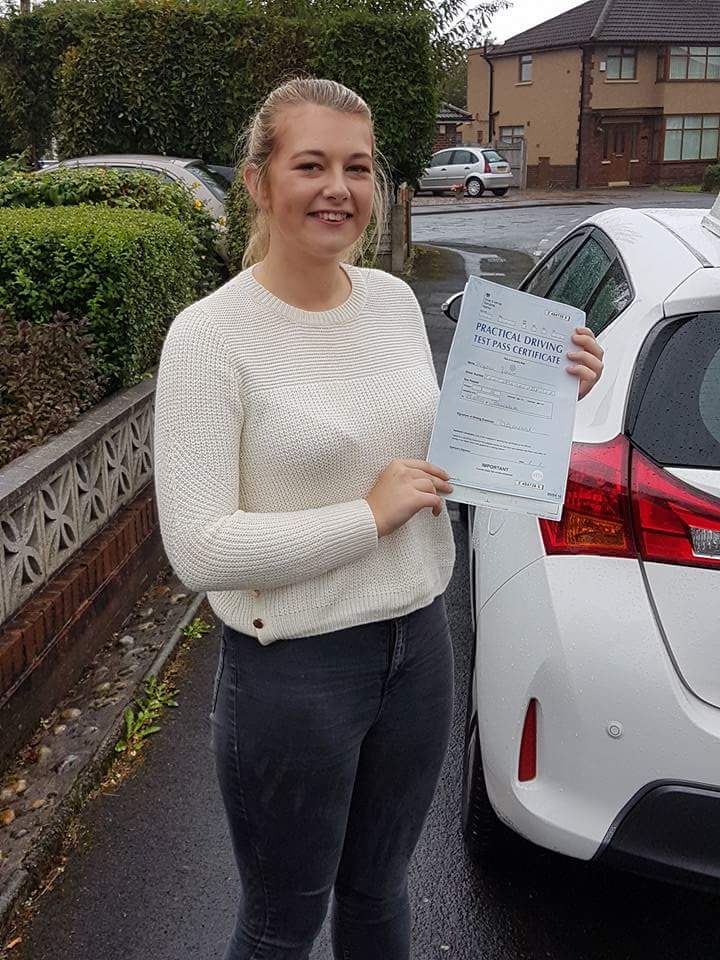
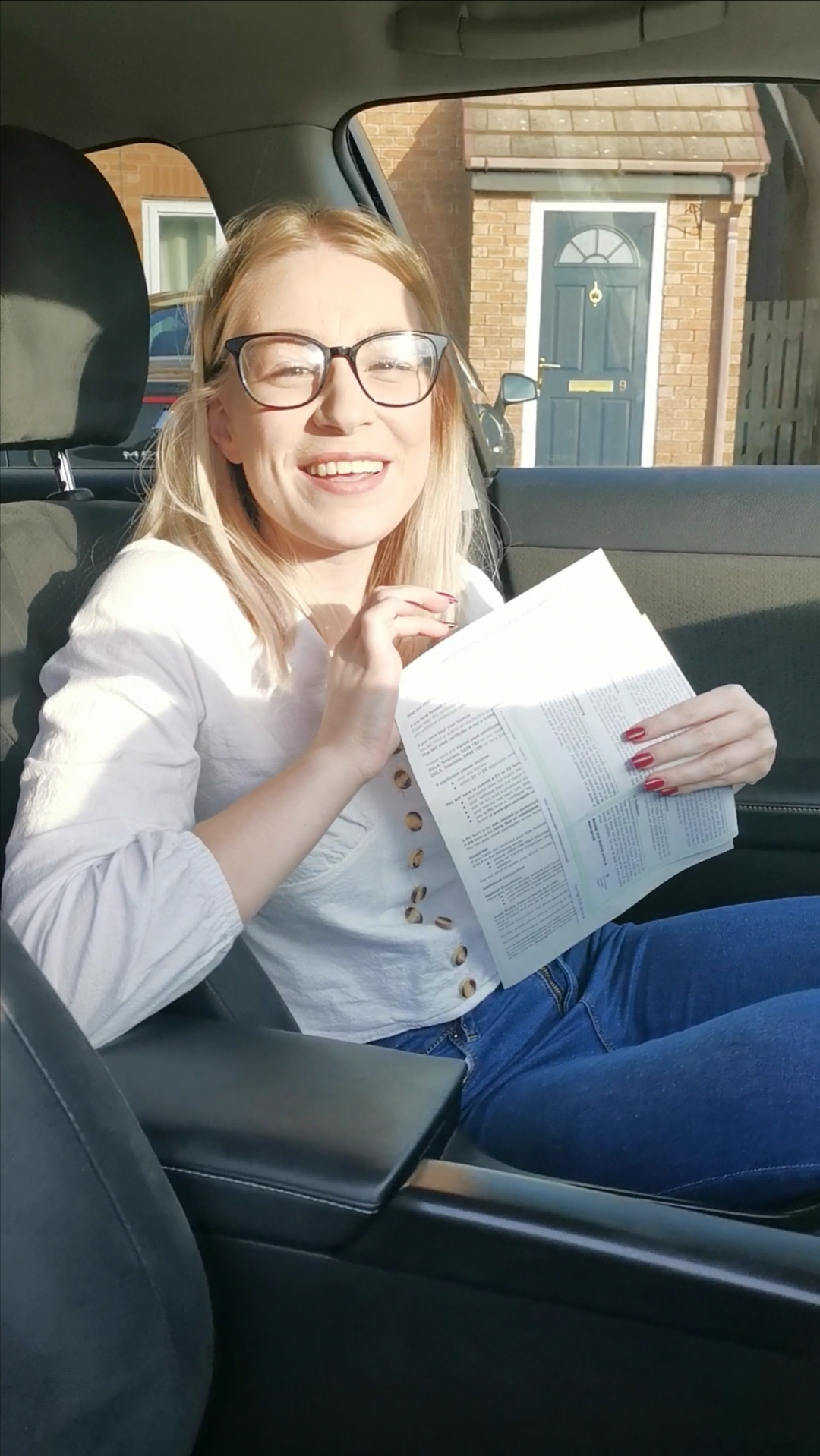
Passers Gallery
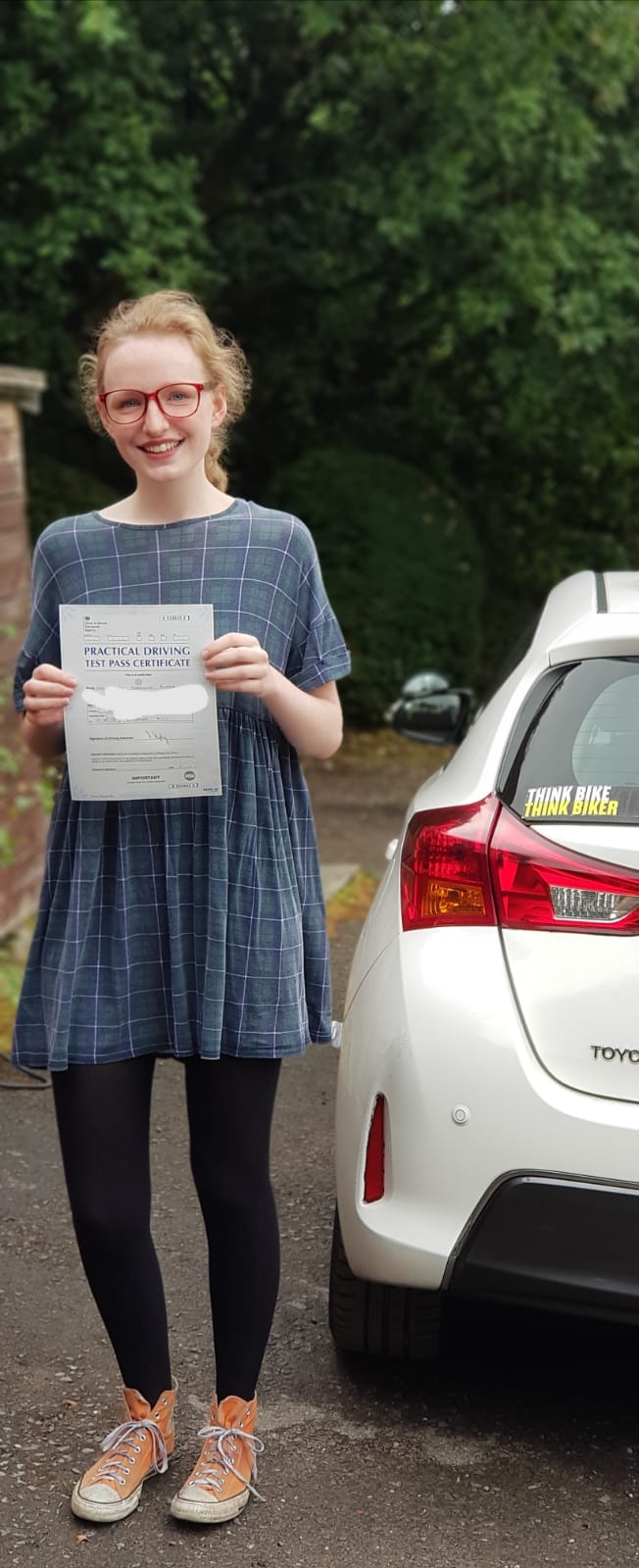
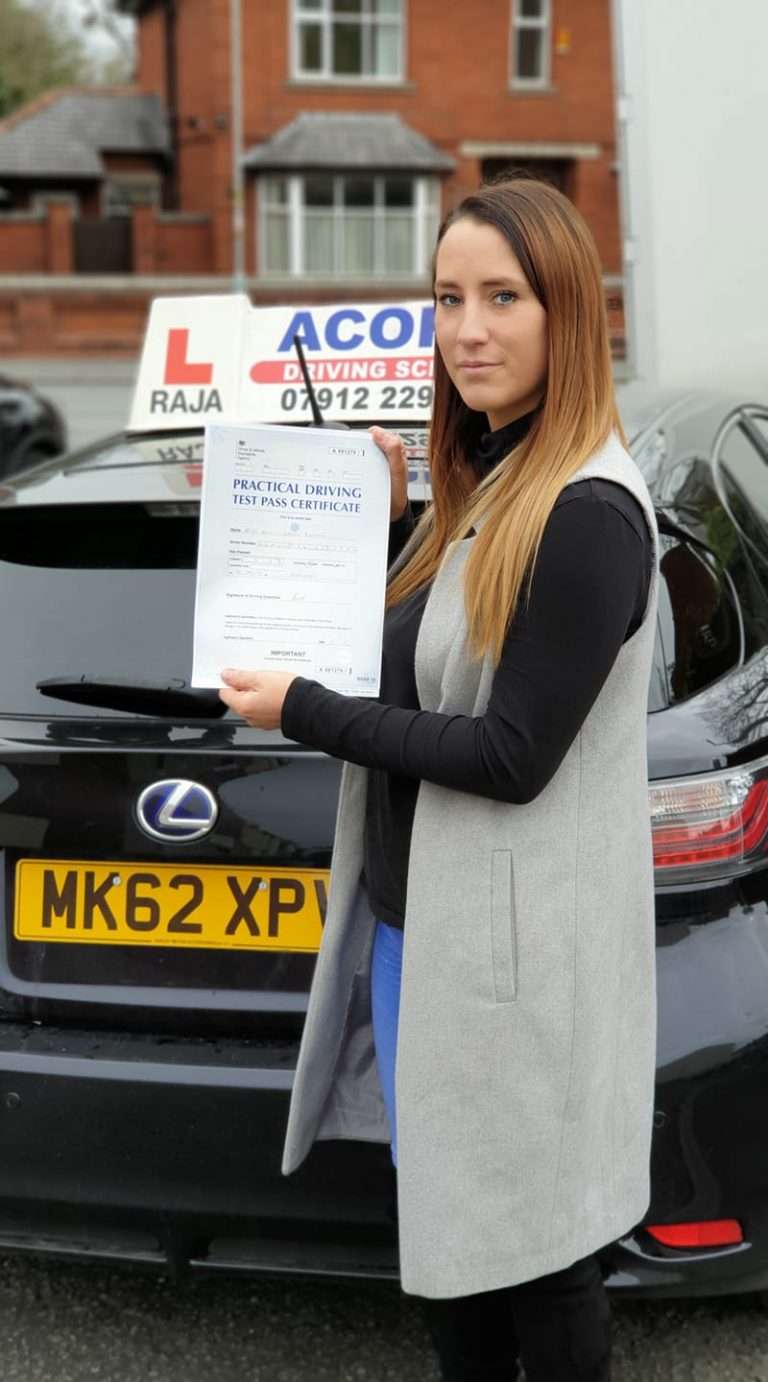
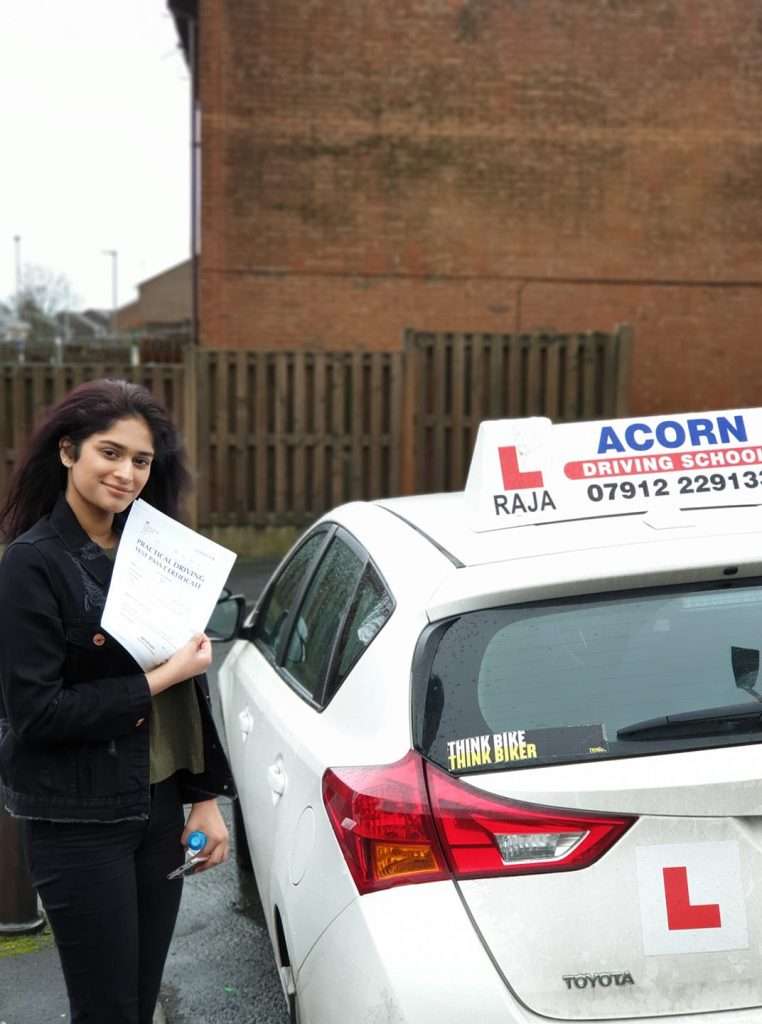
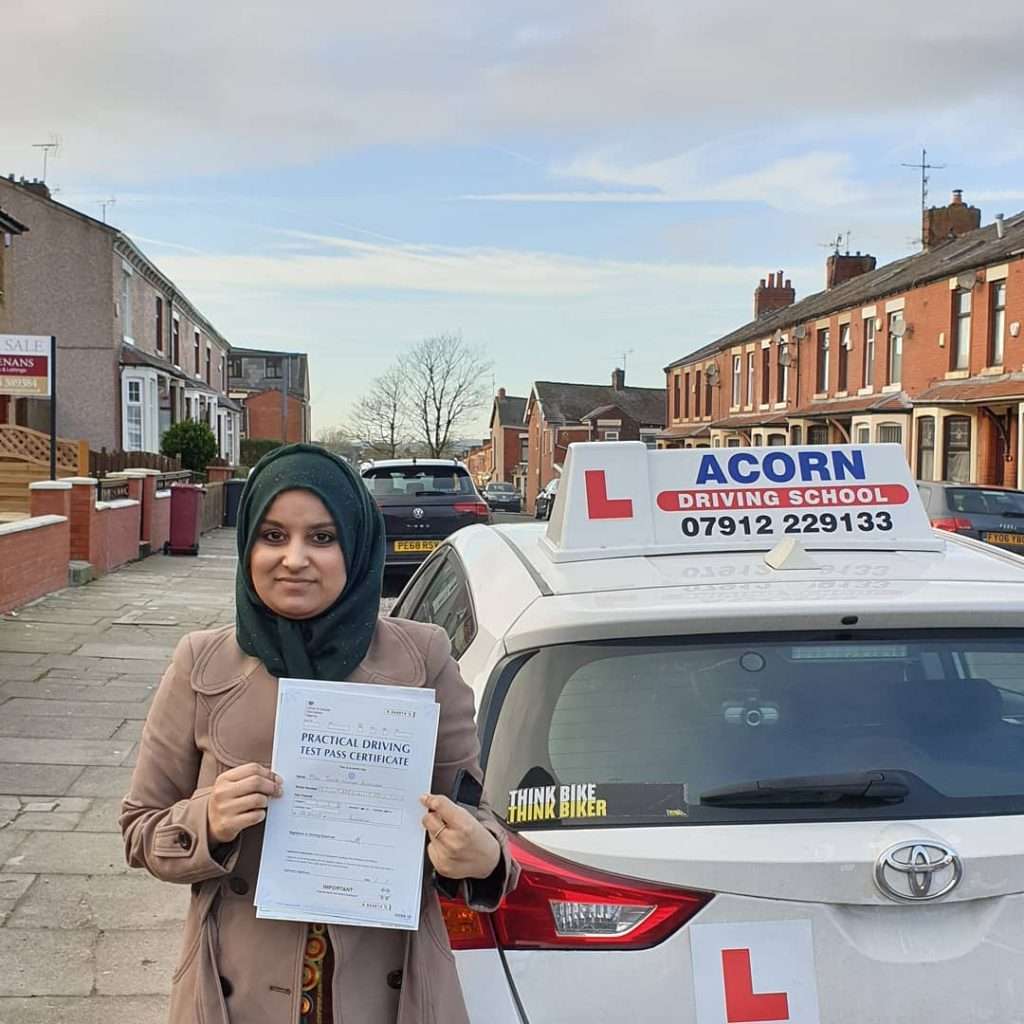

Join Us
Get A Franchise
Start your own successful driving school franchise and become part of a growing network of professional instructors. Franchise opportunities are available across Blackburn, Darwen, Accrington, Preston, Luton, Burnley, and Nelson, as well as surrounding areas. We provide full support including marketing, student enquiries, and professional guidance to help you build a successful driving instructor business. Whether you are an experienced instructor or looking to start a new career, our franchise offers a flexible and rewarding opportunity in high-demand locations.
Driving Lesson for Beginners Manual
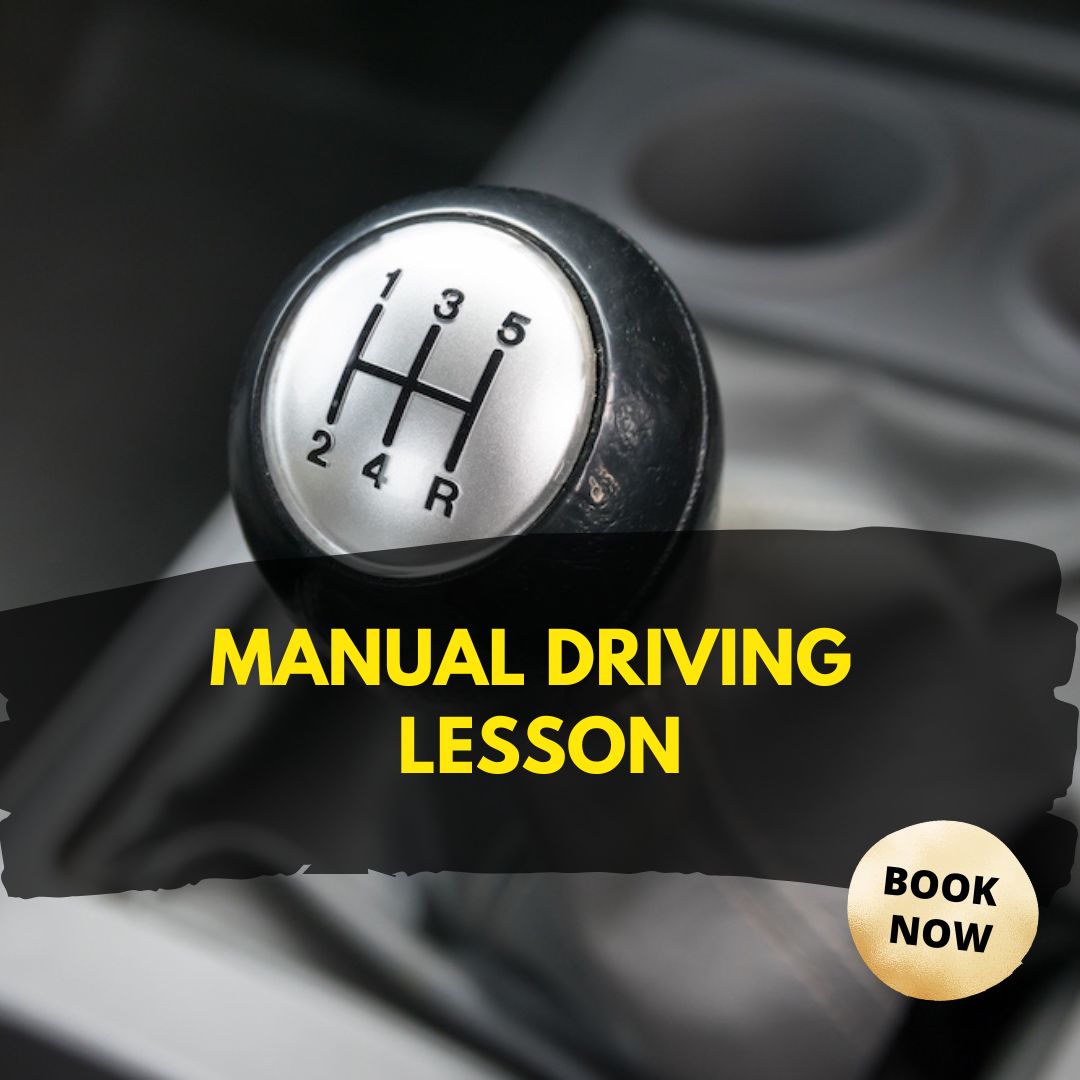
Starting a Driving Lesson for Beginners Manual is the first step for learners who want to understand how to control a manual car safely and confidently. Manual driving lessons focus on teaching learners how the clutch, accelerator, brake, and gears work together while driving. Beginners usually start by learning how to move the car smoothly, stop safely, and control the vehicle at low speeds. With regular practice, learners gradually build confidence while handling different road situations. Manual driving also helps drivers develop better coordination and awareness of how the vehicle responds to their actions. Many learners choose manual lessons because passing the test in a manual car allows them to drive both manual and automatic vehicles. Learners looking for structured guidance can explore Manual Instructor Near Me to gain practical experience and improve their driving skills.
Understanding Manual Car Controls
Before driving on busy roads, beginners must understand the basic controls of a manual vehicle. These include the clutch pedal, accelerator, brake pedal, steering wheel, and gear lever. Each control plays an important role in managing the movement and speed of the vehicle. During early lessons, learners practise using these controls together to move the car smoothly. Understanding how the clutch works is especially important for preventing the car from stalling. Instructors guide learners step by step so they can feel comfortable using the controls. With regular practice, these actions become easier and more natural.
Learning Clutch Control and Gear Changes
Clutch control and gear changes are key skills in manual driving. Learners practise balancing the clutch and accelerator to move the vehicle smoothly without sudden movements. Understanding when to change gears helps drivers maintain the correct speed and engine performance. During lessons, learners practise these skills while driving on quiet roads before moving to busier traffic areas. Smooth gear changes make driving more comfortable and help maintain better vehicle control. Frequent practice helps learners avoid common mistakes such as stalling the vehicle. Over time, gear control becomes easier and more confident.
Driving Practice on Local Roads
Driving practice on local roads helps beginners gain experience in real traffic conditions. Learners practise approaching junctions, navigating roundabouts, and responding to traffic lights safely. This experience helps drivers understand how to interact with other road users. Regular driving sessions also improve observation skills and hazard awareness. Learners gradually become more confident while driving on residential streets and busy roads. Exposure to different road environments helps drivers improve their decision-making while driving. This practical experience prepares learners for everyday driving situations.
Preparing for the Practical Driving Test
Preparing for the practical driving test is an important part of manual driving lessons. Learners practise essential manoeuvres such as parallel parking, bay parking, and emergency stops. These exercises help drivers demonstrate proper vehicle control during the driving exam. Lessons also focus on observation skills when approaching junctions and pedestrian crossings. Repeated practice allows learners to understand test expectations and avoid common mistakes. Many learners feel more confident when they have practised these manoeuvres several times before their test. Good preparation increases the chances of passing the driving test successfully.
Benefits of Manual Driving Lessons
Manual driving lessons offer several benefits for learners who want to become confident drivers. Learning to drive a manual car improves coordination between the clutch, gears, and braking system. This skill allows drivers to better understand how the vehicle responds to different road conditions. Manual driving also provides flexibility because drivers can operate both manual and automatic vehicles. Regular lessons help learners develop safer driving habits and stronger awareness of road conditions. Many drivers feel more confident once they understand how to manage gears effectively. With consistent training and practice, learners can develop the skills needed for safe and independent driving.

